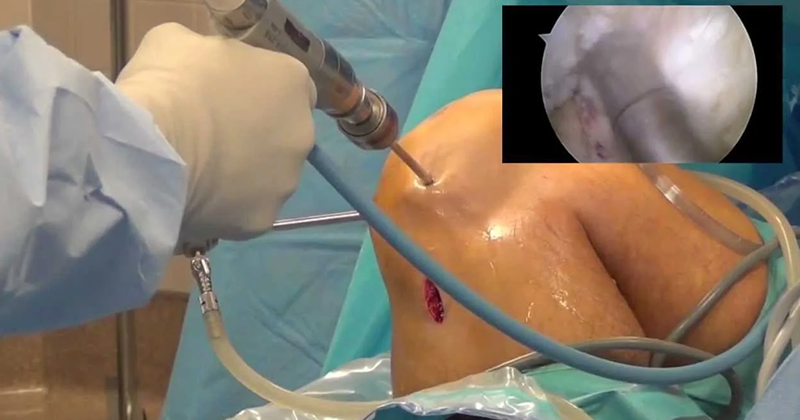
Arthroscopic ACL/PCL surgery
Anterior cruciate ligament (ACL) and posterior cruciate ligament (PCL) injuries are common causes of knee instability, pain, and limited function, often resulting from sports injuries, trauma, or accidents. When conservative treatments such as physiotherapy, bracing, or activity modification fail to restore stability, arthroscopic ligament reconstruction is indicated.
Arthroscopic ACL/PCL reconstruction is a minimally invasive surgical procedure performed using an arthroscope—a small camera inserted through tiny incisions in the knee. The torn ligament is replaced with a graft, which may be harvested from the patient (autograft) or a donor (allograft). For ACL reconstruction, the graft is fixed in tunnels drilled into the tibia and femur, restoring the ligament’s function. PCL reconstruction follows a similar technique but is technically more challenging due to the ligament’s deeper position. Arthroscopy allows precise visualization, minimal tissue disruption, smaller scars, and faster recovery compared to open surgery.
The surgery is usually performed under general or regional anesthesia. Postoperatively, the knee may be braced or partially weight-bearing depending on the type of reconstruction. Early rehabilitation focuses on regaining range of motion, reducing swelling, and preventing stiffness. Gradual strengthening exercises follow to restore stability and function. Full recovery typically takes 6–12 months, depending on the patient’s age, activity level, and adherence to rehabilitation protocols.
Complications are uncommon but may include infection, graft failure, stiffness, or persistent instability. Overall, arthroscopic ACL and PCL reconstruction is highly effective in restoring knee stability, preventing further injury, and enabling patients to return to sports, work, and daily activities safely.
In summary, arthroscopic ligament reconstruction offers a minimally invasive, precise, and reliable solution for patients with ACL or PCL tears, combining surgical repair with structured rehabilitation to achieve optimal functional outcomes and long-term knee health.