K wire
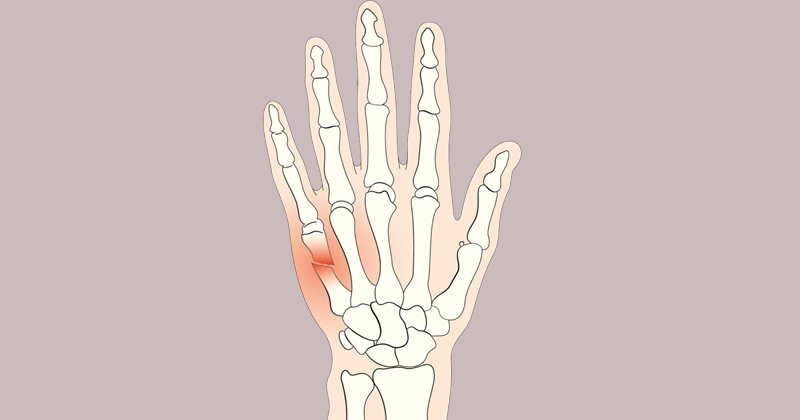
A Kirschner wire, commonly referred to as a K-wire, is a thin, smooth or threaded metal pin used in orthopedic surgery to stabilize bone fragments, assist in fracture fixation, or provide temporary skeletal support. K-wires are versatile, minimally invasive tools widely used in the management of fractures, joint dislocations, and deformity corrections, particularly in small bones such as those of the hand, wrist, foot, and pediatric long bones.
The primary purpose of K-wire insertion is to maintain proper alignment of bone fragments during the healing process. They can be used alone for simple fractures, as temporary fixation during complex procedures, or in combination with other implants like plates and screws. K-wires are inserted percutaneously or through small incisions under imaging guidance, such as fluoroscopy, to ensure accurate placement. Depending on the case, the wires may be left protruding through the skin for easy removal or buried beneath the skin to reduce the risk of infection.
Postoperative care involves monitoring for pin site infections, maintaining proper immobilization, and ensuring that the wire remains in the correct position until fracture healing occurs. K-wires are usually removed after several weeks, once the bone has achieved sufficient stability. Patients may also undergo physiotherapy to restore joint mobility and muscle strength after wire removal.
K-wires are favored for their simplicity, minimal soft tissue disruption, cost-effectiveness, and ability to provide adequate stabilization, particularly in pediatric patients or small bone fractures. While generally safe, complications can include pin migration, infection at the insertion site, loosening, or irritation of surrounding soft tissues.
Overall, K-wires are an essential tool in orthopedic surgery, offering reliable fracture stabilization, aiding in proper bone healing, and allowing surgeons to manage a wide range of fractures and deformities efficiently with minimal invasiveness.