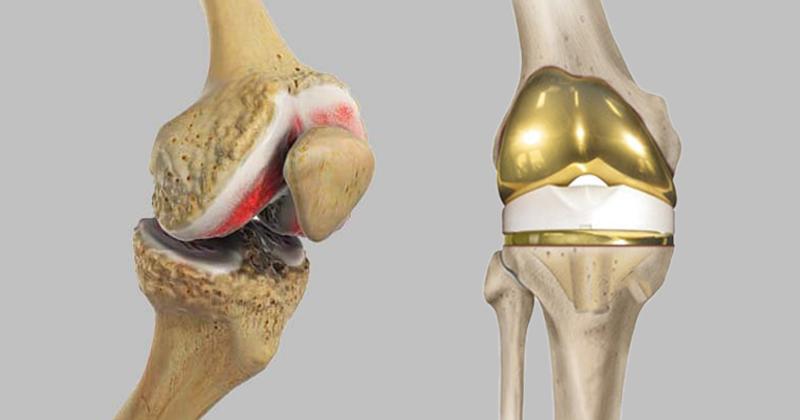
Total knee replacement
Total knee replacement (TKR), also known as total knee arthroplasty, is a widely performed orthopedic surgical procedure aimed at relieving pain and restoring function in individuals with advanced knee joint disease. The most common indication for this surgery is osteoarthritis, a degenerative condition characterized by the gradual breakdown of cartilage. Other causes include rheumatoid arthritis, post-traumatic arthritis, and severe knee deformities that limit mobility and daily activities. When conservative treatments such as medications, physical therapy, and injections fail to provide adequate relief, total knee replacement becomes a viable option.
During the procedure, the surgeon removes damaged cartilage and a small portion of underlying bone from the femur, tibia, and sometimes the patella. These surfaces are then replaced with artificial components made of metal alloys, polyethylene, or ceramic materials. The prosthetic joint is designed to mimic the natural movement of the knee, allowing smooth flexion and extension. The surgery typically lasts one to two hours and is followed by a structured rehabilitation program.
Postoperative recovery is a critical phase in achieving successful outcomes. Early mobilization is encouraged to reduce stiffness, improve circulation, and prevent complications such as blood clots. Physical therapy focuses on strengthening surrounding muscles, increasing range of motion, and improving balance. Most patients are able to resume normal daily activities within six to twelve weeks, although full recovery may take up to six months.
Advancements in implant technology, surgical techniques, and pain management have significantly improved patient satisfaction and long-term success rates. While risks such as infection, implant loosening, or nerve injury exist, they are relatively uncommon. Overall, total knee replacement is a highly effective procedure that enhances mobility, reduces pain, and greatly improves quality of life for patients suffering from severe knee joint disorders.