Lumbar spine management
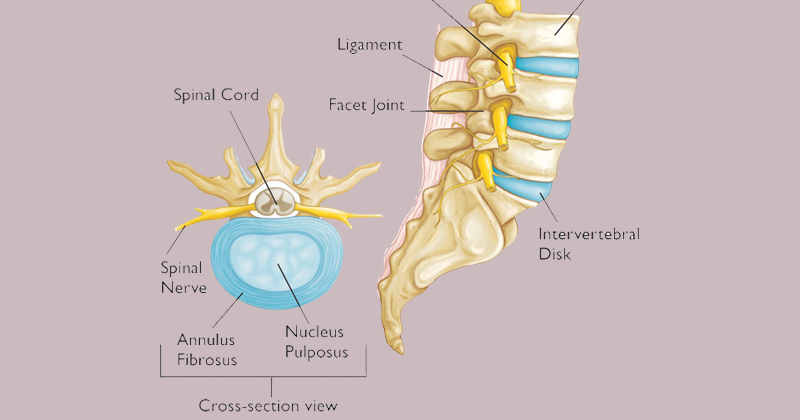
Lumbar spine management involves the evaluation, treatment, and rehabilitation of disorders affecting the lower back, including degenerative conditions, disc herniations, spinal stenosis, fractures, infections, and trauma. The lumbar spine plays a critical role in supporting body weight, allowing movement, and protecting the spinal cord and nerve roots. Disorders of the lumbar spine can lead to pain, limited mobility, neurological deficits, and reduced quality of life, making effective management essential.
Initial management often begins with a thorough clinical assessment, including medical history, physical examination, and imaging studies such as X-rays, MRI, or CT scans to determine the underlying cause of pain or dysfunction. Conservative treatments are typically the first line of therapy. These include rest, activity modification, physical therapy, core strengthening exercises, postural training, and medications such as nonsteroidal anti-inflammatory drugs (NSAIDs), muscle relaxants, or analgesics to reduce pain and inflammation.
For patients who do not respond to conservative measures, interventional procedures may be considered. Epidural steroid injections, nerve blocks, or radiofrequency ablation can help reduce pain and inflammation around affected nerves. In cases of severe structural problems, instability, or neurological compromise, surgical interventions such as discectomy, laminectomy, spinal fusion, or minimally invasive decompression may be indicated.
Post-treatment rehabilitation is a crucial component of lumbar spine management, focusing on restoring flexibility, strength, and functional capacity while preventing recurrence. Lifestyle modifications, including weight management, ergonomic adjustments, and regular low-impact exercise, are emphasized to maintain long-term spinal health.
Advances in imaging, minimally invasive surgical techniques, and pain management strategies have significantly improved outcomes for lumbar spine disorders. Overall, lumbar spine management aims to relieve pain, restore mobility, prevent complications, and enhance patients’ quality of life through a combination of conservative care, interventional procedures, and surgical intervention when necessary.