Arthroscopic Meniscal surgery
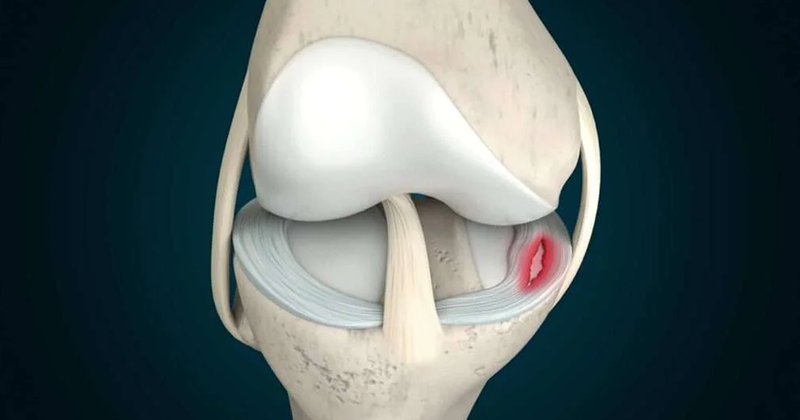
Meniscal tears are common knee injuries that can cause pain, swelling, locking, or limited range of motion. The meniscus is a C-shaped cartilage that cushions and stabilizes the knee joint, and damage to it can lead to long-term joint problems if untreated. When conservative treatments such as rest, physical therapy, or anti-inflammatory medications fail, arthroscopic meniscal surgery may be recommended.
Arthroscopic meniscal surgery is a minimally invasive procedure performed using an arthroscope—a small camera inserted through tiny incisions in the knee. This allows the surgeon to visualize the joint and accurately treat the injury. The two main types of meniscal surgery are meniscectomy, where the torn portion of the meniscus is removed, and meniscus repair, where the tear is sutured to preserve as much tissue as possible. Repair is preferred in younger patients or when the tear is in a region with good blood supply, as it allows the meniscus to heal and maintain knee function.
The procedure is usually done under general or regional anesthesia. Postoperative care includes pain management, wound care, and gradual rehabilitation. Early physical therapy focuses on restoring range of motion, followed by strengthening exercises to support the knee and improve stability. Recovery time varies depending on the type of surgery: meniscectomy patients often return to normal activities within a few weeks, while meniscus repair may require several months of rehabilitation.
Complications are uncommon but can include infection, stiffness, blood clots, or persistent pain. Overall, arthroscopic meniscal surgery is a safe and effective procedure that relieves symptoms, restores knee function, and reduces the risk of long-term degenerative changes. With proper surgical technique and adherence to rehabilitation protocols, most patients regain normal mobility and can resume daily and recreational activities comfortably.