Intra-articular injections
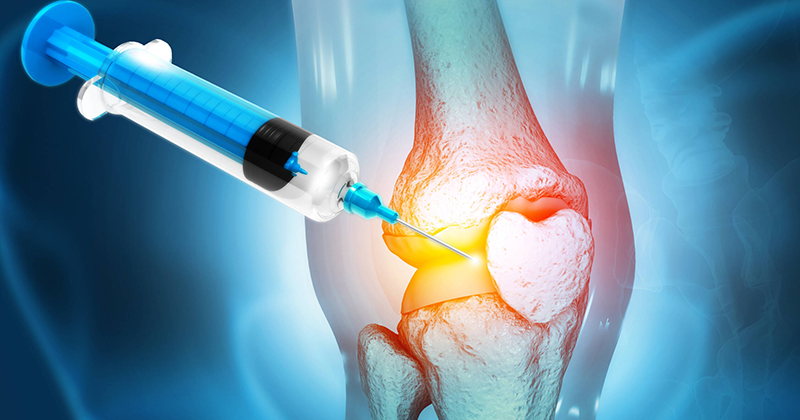
Intra-articular injections are a widely used medical intervention in orthopedics and rheumatology for the diagnosis and treatment of joint disorders. These injections involve delivering medication directly into the joint space to reduce inflammation, relieve pain, improve mobility, and promote joint health. Common indications include osteoarthritis, rheumatoid arthritis, gout, inflammatory arthritis, bursitis, and post-traumatic joint pain.
The most frequently used medications in intra-articular injections are corticosteroids, which provide potent anti-inflammatory effects, and hyaluronic acid, which helps improve joint lubrication and cushioning. Platelet-rich plasma (PRP) and biologic agents are also increasingly employed to enhance healing and reduce degenerative changes, especially in younger or active patients. The choice of agent depends on the underlying condition, severity of symptoms, and patient-specific factors.
The procedure is typically performed under sterile conditions, often with the guidance of imaging modalities such as ultrasound or fluoroscopy to ensure accurate needle placement and maximize efficacy. Local anesthesia may be used to minimize discomfort during the injection. Following the procedure, patients are usually advised to rest the joint for a short period and avoid strenuous activities for a few days.
Intra-articular injections are generally safe, but potential complications include infection, joint swelling, post-injection flare, bleeding, or, rarely, tendon or cartilage damage. Proper technique, aseptic precautions, and careful patient selection help minimize these risks.
These injections are often combined with other treatments such as physical therapy, lifestyle modification, and oral medications for comprehensive joint management. They provide rapid symptom relief, improve joint function, and can delay the need for more invasive interventions like surgery. Overall, intra-articular injections are an effective, minimally invasive tool for managing joint pain and inflammation, enhancing patient quality of life, and supporting long-term joint health.