Cervical spine management
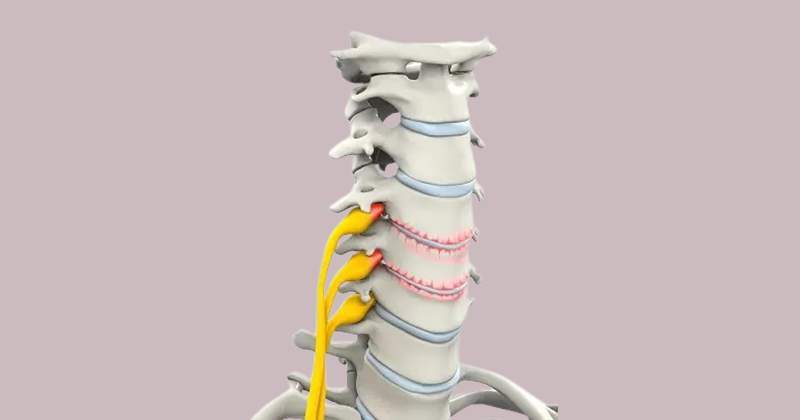
Cervical spine management involves the evaluation, stabilization, and treatment of conditions affecting the neck region of the spine, which consists of seven vertebrae (C1–C7) supporting the head and protecting the spinal cord. Proper management is crucial because injuries or degenerative changes in this area can lead to pain, neurological deficits, or even life-threatening complications.
Management begins with a thorough clinical assessment, including history-taking and physical examination to identify symptoms such as neck pain, stiffness, numbness, weakness, or radiating pain to the arms. Imaging studies like X-rays, CT scans, and MRI help determine the extent of injury, alignment abnormalities, fractures, or degenerative changes such as disc herniation or cervical spondylosis.
Acute cervical spine injuries require immediate attention to prevent spinal cord damage. Immobilization with cervical collars, halo vests, or other external devices is often the first step, particularly in trauma cases. Surgical intervention may be indicated for unstable fractures, severe cord compression, or deformities. Common surgical procedures include anterior cervical discectomy and fusion (ACDF), posterior decompression, or instrumented fixation, aimed at restoring stability and relieving pressure on neural structures.
Non-surgical management is also important for chronic or mild conditions. This includes pain control with medications, physical therapy to improve range of motion and strengthen neck muscles, lifestyle modifications, and ergonomic adjustments to reduce strain. Cervical spine management also emphasizes preventive measures, such as posture correction, regular exercise, and avoiding high-risk activities that may cause trauma.
Follow-up and rehabilitation are integral to achieving optimal outcomes, as they help restore function, reduce pain, and prevent complications or recurrence.
In summary, cervical spine management requires a combination of careful assessment, timely intervention, and ongoing rehabilitation. Tailoring treatment to the severity and type of condition ensures the preservation of neurological function, pain relief, and overall quality of life.