Total Hip replacement
Total hip replacement (THR), also known as total hip arthroplasty, is a highly effective orthopedic surgical procedure performed to relieve pain and restore function in patients with severe hip joint disease. The most common indication for this surgery is osteoarthritis, though it is also recommended for conditions such as rheumatoid arthritis, avascular necrosis of the femoral head, hip fractures, and post-traumatic arthritis. When conservative treatments like medications, physiotherapy, and lifestyle modification fail to provide adequate relief, total hip replacement becomes the preferred treatment option.
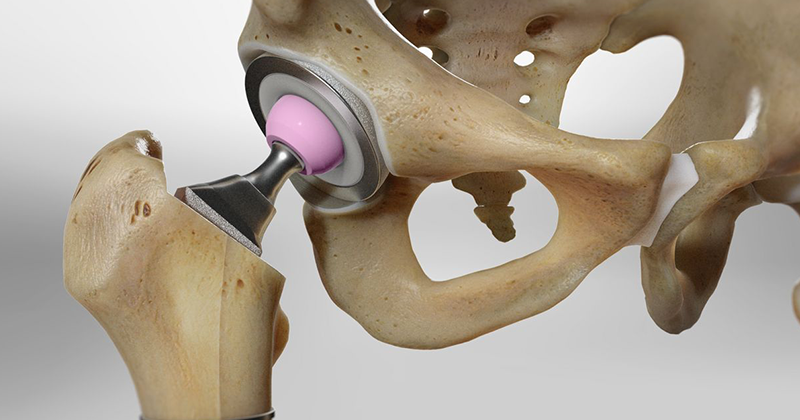
During the procedure, the damaged components of the hip joint are removed and replaced with artificial implants. The femoral head is replaced with a metal or ceramic ball attached to a stem that fits into the femur, while the acetabulum (hip socket) is fitted with a metal shell and a polyethylene or ceramic liner. These materials are designed to provide smooth movement, durability, and long-term function. The surgery is usually performed under spinal or general anesthesia and typically takes one to two hours.
Postoperative rehabilitation is a critical part of recovery following total hip replacement. Early mobilization is encouraged to reduce complications and improve joint function. Physical therapy focuses on strengthening muscles, improving range of motion, and teaching patients safe movement techniques. Most individuals can resume daily activities within a few weeks, while complete recovery may take several months.
Advancements in surgical techniques, implant materials, and pain management have significantly improved the success rates of total hip replacement. Although potential risks such as infection, dislocation, or implant loosening exist, they are relatively rare. Overall, total hip replacement offers excellent pain relief, improved mobility, and a significant enhancement in quality of life for patients suffering from debilitating hip conditions.