Arthroscopic frozen shoulder surgery
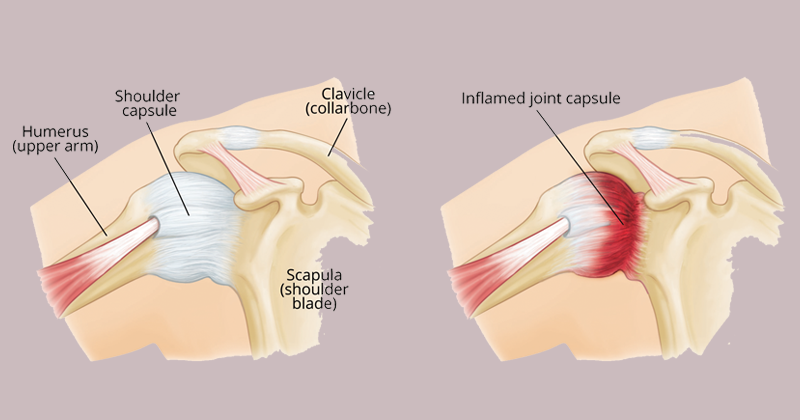
Frozen shoulder, or adhesive capsulitis, is a condition characterized by stiffness, pain, and restricted movement of the shoulder joint. It commonly occurs in adults between 40 and 60 years of age and may be associated with diabetes, prolonged immobilization, or previous shoulder injuries. While most cases improve with conservative treatments such as physical therapy, anti-inflammatory medications, and steroid injections, some patients continue to experience significant pain and limitation. In such cases, arthroscopic surgery can be considered.
Arthroscopic capsular release is a minimally invasive procedure performed using a small camera (arthroscope) and specialized instruments inserted through tiny incisions around the shoulder. The surgeon carefully releases the tight joint capsule and any adhesions that restrict movement, allowing the shoulder to regain its normal range of motion. Unlike open surgery, arthroscopy involves smaller incisions, less tissue trauma, reduced postoperative pain, and faster recovery.
The procedure is usually performed under general anesthesia, sometimes combined with a regional nerve block for pain control. Postoperatively, early and aggressive physical therapy is crucial to prevent recurrence of stiffness and to restore shoulder mobility. Patients begin gentle stretching exercises immediately and gradually progress to strengthening exercises under the guidance of a physical therapist.
Complications are rare but may include infection, bleeding, nerve injury, or persistent stiffness. The success rate of arthroscopic capsular release is high, with most patients experiencing significant pain relief, improved range of motion, and enhanced ability to perform daily activities.
Overall, arthroscopic surgery for frozen shoulder is a safe and effective option for patients who do not respond to non-surgical treatments. By releasing the tight capsule and adhesions, the procedure restores function, alleviates pain, and enables patients to regain independence in both daily and recreational activities.